
Somalia's Wildlife History
Explore the rich and complex story of Somalia's birds and wildlife — a tale of unique biodiversity, colonial disruption, civil collapse, and a growing movement to restore what was lost.
Biodiversity at the Horn of Africa
Somalia, at the Horn of Africa, boasts one of the most biologically diverse and ecologically unique wildlife heritages in the region. Its sweeping savannahs, seasonal wetlands, arid plains, and extensive coastline support a remarkable array of species — many found nowhere else on Earth.
Historically, Somali pastoralist communities lived in close harmony with nature. Unlike many other regions in Africa, large-scale bushmeat hunting was rare. However, since the late 19th century, biodiversity has faced mounting threats from habitat degradation, unregulated hunting, and political instability.
- Sweeping savannahs & seasonal wetlands
- Arid interior & rich coastline
- Species found nowhere else on Earth
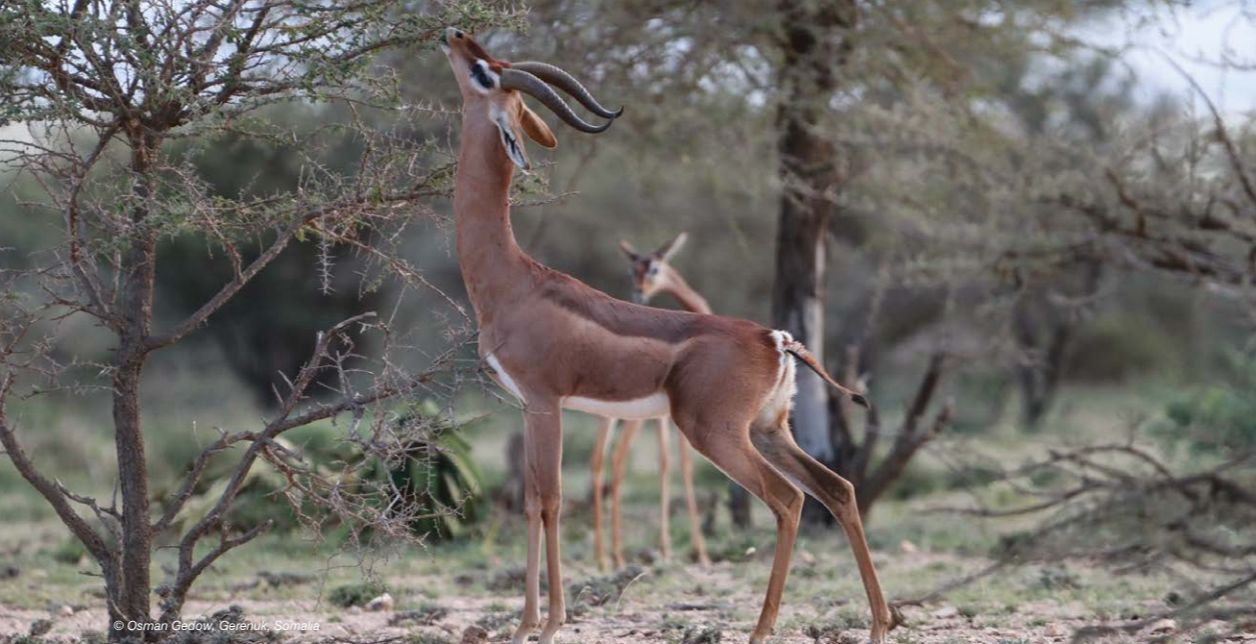
Somalia's wildlife — a heritage worth protecting
Key Biodiversity Highlights
These figures underscore Somalia's vital role as a biodiversity hotspot bridging African, Arabian, and migratory flyway ecosystems.
655
Bird Species
8 Endemic
175
Mammal Species
29 Endemic
232
Reptiles & Amphibians
82 Endemic
72
Freshwater Fish
21 Endemic
A Timeline of Change
The last few decades have dramatically reshaped Somalia's wildlife landscape.
Early Protection & Regulated Use
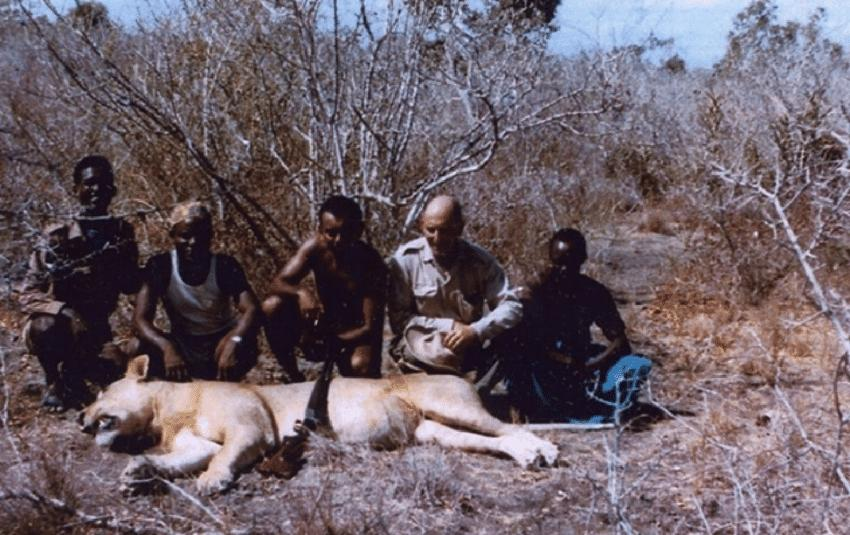
In the 1970s and 1980s, wildlife was partially protected under government oversight. Legislation like Law No. 65 of 1971 regulated hunting, and key species remained relatively widespread. However, enforcement was inconsistent, and some species were already locally extinct.
Collapse & Unregulated Exploitation
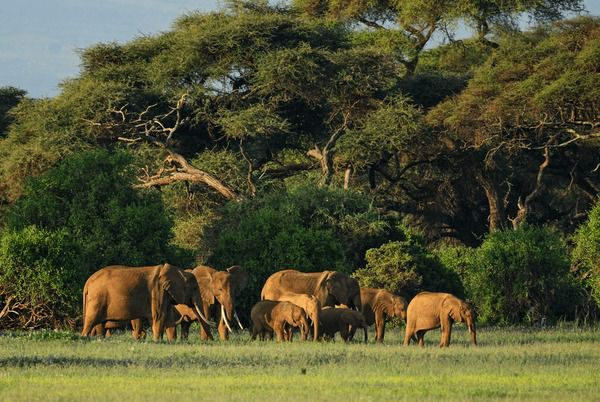
The collapse of the central government marked the end of official conservation. Illegal trade networks flourished, making Somalia a major conduit for trafficking birds, reptiles, antelopes, and ivory to the Gulf States and Southeast Asia.
- No protected areas remained functional
- Over 30 species were regularly traded illegally
- Elephant populations declined by 95% since 1979
Species Under Siege
From the sky to the sea, Somalia's most iconic species face unprecedented threats from illegal trade and habitat loss.
Birds at Risk
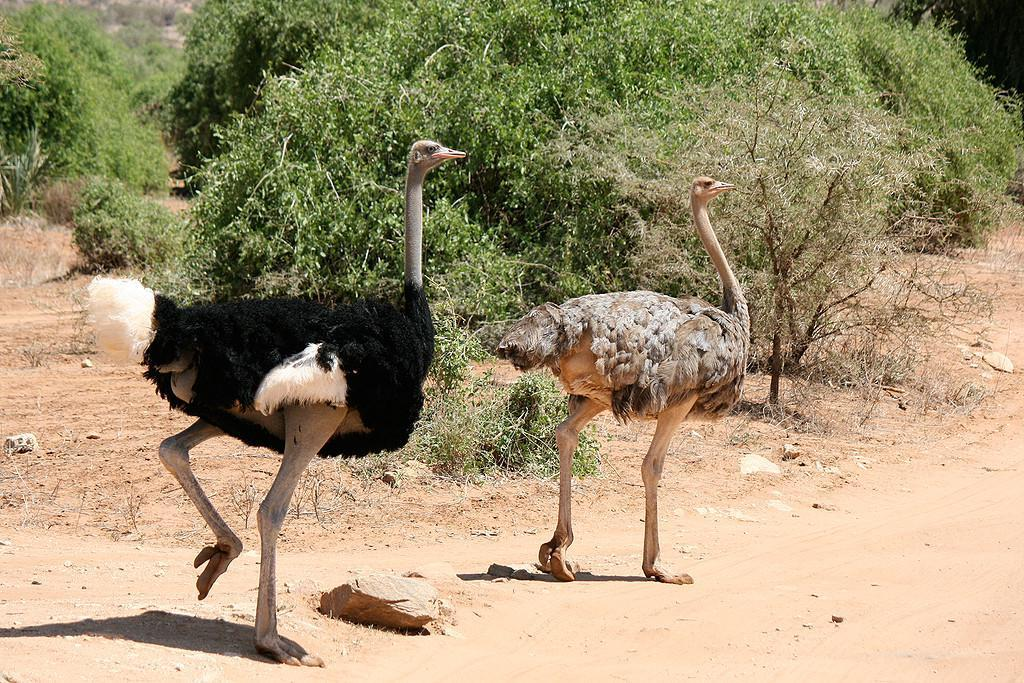
Bustards and ostriches are harvested for traditional medicine, while raptors are captured for international sale. The critically endangered Bulo-burte bush shrike may already be lost.
Mammals Under Siege
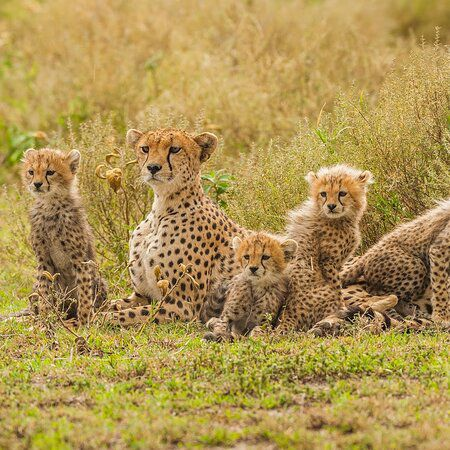
Endemic antelopes like the dibatag and beira face extinction from habitat loss and capture for private zoos. Lion cubs, cheetahs, and leopards are trafficked alive with low survival rates.
Reptiles & Marine Life
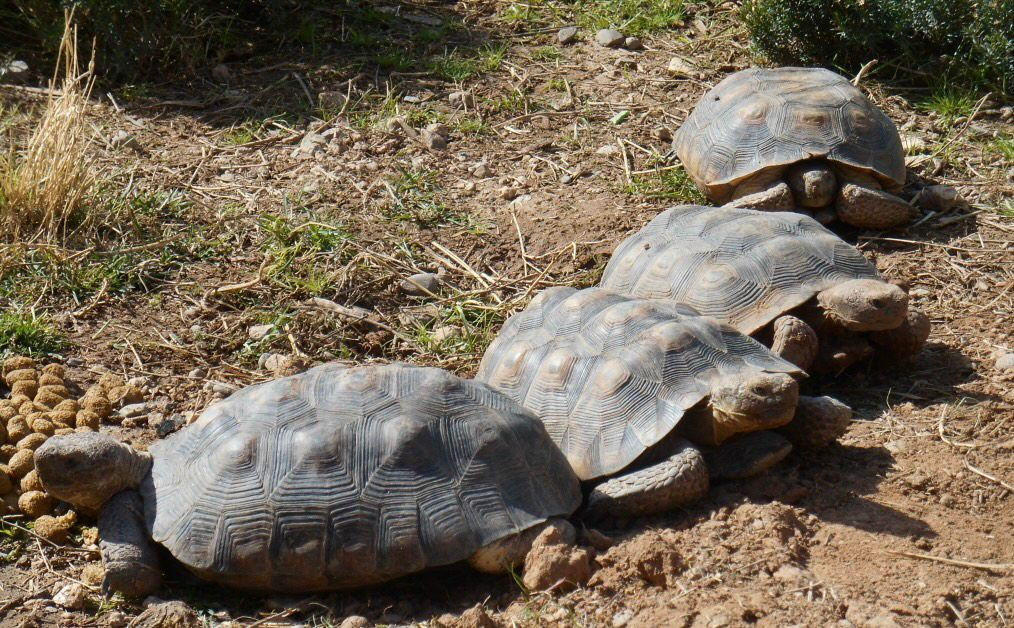
Leopard tortoises and chameleons are trafficked for the exotic pet trade. Sea turtles are slaughtered for meat, oil, and shells, jeopardising fragile nesting populations across the Indian Ocean.
A Shared Responsibility
Somalia's wildlife is not only a national treasure — it is a global legacy. Preserving it is about restoring ecological balance, supporting local resilience, and affirming the value of wild heritage. At Nature Somalia, we are committed to rebuilding the relationship between people and nature.